Weight Loss- Which route is best for me?
12/7/20254 min read


GLP Medications vs. Diet-Driven Weight Loss: Pros, Cons & How to Choose the Right Path
Weight loss today doesn’t look like it did a decade ago. With the rise of GLP-1 medications like semaglutide and tirzepatide, many people are seeing dramatic results that once felt out of reach. At the same time, diet-driven weight loss remains a foundational, sustainable pathway supported by decades of science.
As a nurse practitioner passionate about wellness, here’s a balanced, evidence-based breakdown of the pros and cons of GLP medications compared to a diet-focused weight loss strategy.
What Are GLP Medications?
GLP-1 receptor agonists (GLP-1 RAs) work by mimicking a natural gut hormone that helps regulate appetite, blood sugar, and digestion. They slow gastric emptying, reduce hunger, and improve satiety—leading many people to comfortably eat less.
These medications were originally developed for diabetes and later found to support significant weight reduction.
GLP-1 Medications: Pros & Cons
✔ Pros
1. Significant and predictable weight loss
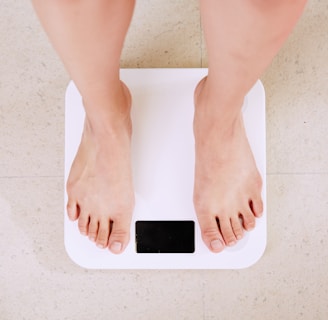
Many people experience 10–20%+ total body weight reduction, which is often much more than what diet alone offers for those with metabolic resistance or long-standing obesity. This is my favorite scale because it not only shows you your weight but also biometrics that can help identify why weight is going up or down. Tracks body fat, BMI, Muscle percentage, Body water and more via a app on your phone. Easy to to track trends. https://amzn.to/3MuJgSm
2. Lower appetite and fewer cravings
Instead of fighting willpower battles all day, GLP-1s naturally reduce appetite and make smaller portions satisfying. Thinking about or craving sweet or salty foods all day? This is what I commonly refer to as food noise. GLP-1 medications significantly decrease food noise and often it will eliminate it completely.
3. Improved metabolic health
GLP medications can:
Improve insulin sensitivity
Lower A1C
Reduce blood pressure
Support cardiovascular health
For people with prediabetes or diabetes, this can be life-changing.
4. Helpful for those who have “tried everything”
Frustrated by eating healthy and exercising everyday but not seeing the scale or body measurements not changing ? Weight Plateau, emotional eating, or metabolic barriers have held someone back, medication may provide the breakthrough needed.
✘ Cons
1. Side effects
Common side effects include nausea, constipation, reflux, vomiting, and fatigue. Side effects are usually more prominent after starting and with dose increases. Some individuals do not experience side effects at all. Tried and true products to help with side effects that I recommend to patients.
Ginger Chews (help fight off nausea)-https://amzn.to/48KNtsL
Apple cider vinegar capsules (helps decrease acid reflux symptoms and many other health benefits)-https://amzn.to/44JovZs
Magnesium supplements for Constipation- https://amzn.to/4iIXACJ ( for gentle daily use) and this one for those necessary clean outs :) https://amzn.to/3XCjXAi
B Complex and Vitamin D to support mood and increase energy levels-https://amzn.to/4pwMsvG ( B Complex) and https://amzn.to/4iJiKAH (Vitamin D3)
2. High cost
Insurance coverage varies widely. Out-of-pocket, GLP medications can run hundreds to over $1,000 per month however, self pay prices are becoming more affordable.
3. Weight regain after stopping
I'm sure you have seen or heard about people regaining weight after stopping GLP-1 medications. When starting a patient on a GLP-1 medication we have a discussion about how medication is simply a tool to assist you weight loss in addition to nutrition, exercise and lifestyle changes. If you take medication without changing anything else then yes you will likely regain the weight you had lost. This is why it is imperative to use medication as a tool and not the solution. Berberine supplements can help reduce cravings after stopping medication as well as support metabolism and gut health.
4. Not suitable for everyone
Persons with a history of pancreatitis, medullary thyroid cancer, or severe GI disorders—may not be candidates.
5. Requires long-term commitment
For true maintenance, many individuals need ongoing or intermittent therapy rather than a quick “course.”
Diet-Driven Weight Loss: Pros & Cons
✔ Pros
1. Sustainable long-term when done right
Lifestyle-based changes (balanced macros, whole foods, hydration, protein-forward meals) build habits that last beyond any program.
2. No medication cost or side effects
Food-focused weight loss removes the financial burden and avoids potential medication side effects.
3. Full-body benefits beyond weight
Eating well supports:
Gut health
Better sleep
Mental clarity and mental health
Hormone balance
Energy levels
4. More control and flexibility
People learn how different foods make them feel, what works for their body, and how to adjust for travel, holidays, or stress.
✘ Cons
1. Slower results
Most people lose 1–2 lbs per week with consistent effort, which can feel discouraging compared to rapid medication-driven progress.
2. Hunger and cravings can make consistency hard
Especially in individuals with insulin resistance or hormonal imbalance, appetite signals can override even strong motivation.
3. Requires more day-to-day planning
Meal prep, grocery shopping, and mindful eating take time—something many busy women struggle to maintain.
4. Plateaus are common
Without addressing underlying metabolic issues, diet alone sometimes isn't enough for substantial weight loss.
Which Is Better? The Honest Answer: It Depends.
Consider GLP Medications if:
You have a BMI ≥30 or ≥27 with comorbidities (Chronic diseases for example: Diabetes or Hypertension)
You’ve tried structured diet plans without success
Your cravings, hunger, or metabolic issues feel unmanageable
You're comfortable with long-term medication use
Choose Diet-Focused Weight Loss if:
You prefer natural, lifestyle-driven change
Your weight challenges are mild to moderate
You want to avoid medication costs or side effects
You’re willing to invest time into habits, prep, and consistency
The Ideal Scenario? A Combination Approach
The most successful patients—those who lose weight and keep it off—use both:
✔ Medication for metabolic support
✔ Nutrition for sustainable lifestyle change
GLP meds can “quiet the noise,” making healthy eating easier. Meanwhile, diet-driven habits ensure long-term stability even if medication is reduced or stopped.
Thoughts
Weight loss is not one-size-fits-all, and there is no moral “right” or “wrong” choice. GLP-1 medications offer powerful support for people facing metabolic resistance, while diet-focused approaches remain essential for lifelong wellness.
The best path is the one that fits your body, your goals, and your lifestyle—with a plan rooted in health, not perfection. It is important to connect with your healthcare provider to discuss options and develop a care plan together.


© 2025. All rights reserved.